Choosing the right early learning program can feel overwhelming, especially when you want your child to have a strong, confident start. Many Seattle parents explore a Spanish immersion preschool because they’ve heard it can boost communication skills, curiosity, and cultural awareness—but they aren’t always sure what immersion actually means or what results to expect. Is it the same as a Spanish preschool? How much language will children hear? And how do you know if a program is high-quality or just using buzzwords? This guide breaks everything down in simple, everyday language so that you can make an informed and confident choice for your child’s early years.
What “Spanish Immersion” Really Means
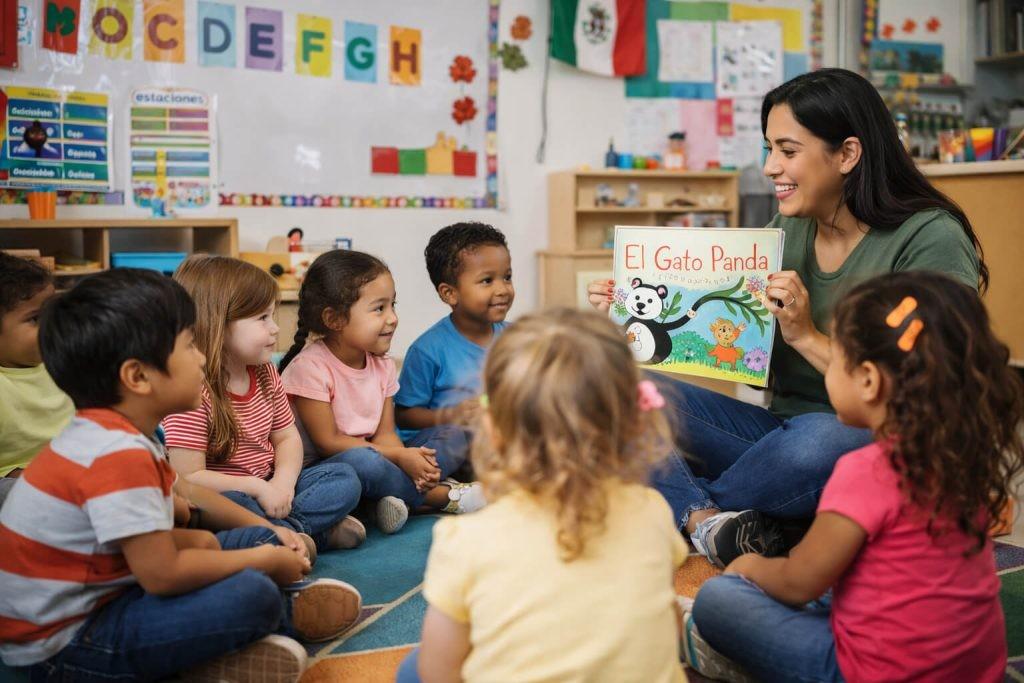
Spanish immersion isn’t about memorizing colors or repeating vocabulary lists. It’s about children learning Spanish naturally by hearing it woven into daily routines, activities, and play. Teachers speak Spanish throughout the day so children absorb the language in meaningful, real-life moments—just like they learned English as toddlers.
Most programs follow one of two models:
- 50/50 model: Half the day in English, half in Spanish.
- 80/20 model: Most of the day in Spanish at first, then more English gradually.
These models help children build understanding through consistent exposure without pressure. A child hears Spanish during songs, meals, stories, transitions, and play, which makes the language feel natural and familiar.
Benefits Kids Actually Notice
Kids don’t measure progress in worksheets—they show it in everyday behavior. In a Spanish immersion setting, you’ll see growth through little moments that build over time. Here are the practical outcomes parents typically notice:
- Confidence in communication: Children become comfortable trying new words, even if they aren’t perfect.
- Better listening skills: Immersion encourages kids to watch facial expressions, gestures, and context.
- Flexible thinking: Hearing two languages strengthens problem-solving and adaptability.
- Social openness: Immersion builds curiosity and comfort with different cultures and traditions.
- Memory development: Songs, routines, and repeated phrases help children remember naturally.
You’ll notice these benefits at home too—maybe through a new Spanish song at dinner or when your child follows a simple Spanish direction during play. These small signs show the language becoming part of their world in a natural, joyful way.
Spanish Preschool vs Spanish Immersion Preschool
A Spanish preschool and a Spanish immersion preschool may sound similar, but they offer different levels of exposure and consistency.
Here’s a simple comparison:
- Language Exposure:
- Spanish preschool = short lessons or themed activities
- Spanish immersion preschool = Spanish woven into all routines
- Consistency:
- Spanish preschool = occasional Spanish
- Immersion = constant, meaningful communication
- Teaching Approach:
- Spanish preschool = vocabulary-focused
- Immersion = context-based and play-driven
- Outcomes:
- Spanish preschool = basic word recognition
- Immersion = understanding tone, direction, meaning, and everyday phrases
If your goal is for children to feel comfortable hearing and responding to Spanish, immersion is the stronger choice.
Best Age to Start + What Progress Looks Like
Ages 2–5 are ideal for beginning immersion because children’s brains absorb language quickly and without self-consciousness. At this age, they naturally mimic sounds, copy patterns, and respond to tone—even before they speak.
Parents should expect:
- A “silent period,” where children listen before speaking
- Mixing languages (normal and healthy)
- Gradual participation in songs and routines
- Growing comfort responding to Spanish directions
Progress appears in small, steady steps, not dramatic overnight fluency. Children build understanding first, then words, then full responses—exactly how they learned English.
What to Look for in a Seattle Program
Choosing a program in Seattle means focusing on quality, not just the word “immersion” in a brochure. Use this simple checklist to compare options:
Program Checklist
- Teacher fluency: Do teachers speak native or near-native Spanish?
- Daily routine: Is Spanish used during meals, play, transitions, and centers?
- Family communication: Do you receive updates, videos, or notes about progress?
- Support for newcomers: How do teachers help children adjust without pressure?
- Classroom ratios: Are group sizes age-appropriate and manageable?
- Cultural connection: Are music, stories, and activities authentic and engaging?
- Safety and care: Are classrooms secure, clean, and developmentally appropriate?
You can also explore whether the center fits your child’s personality and learning style. For example, a bilingual preschool Seattle option may offer a blend of English and Spanish, while full immersion focuses on Spanish during most of the day.
FAQs
Q. How does immersion work for young children?
A. Children learn through exposure and context. They hear Spanish during everyday activities, and over time, they start responding naturally without formal drills.
Q. Is immersion worth it at this age?
A. Yes. Ages 2–5 are ideal for language absorption. Children build confidence, listening skills, and cultural awareness—even if they aren’t fully fluent yet.
Q. Will English fall behind?
A. No. Research shows English continues to develop normally. Immersion strengthens overall communication skills rather than replacing the first language.
Next Step
Now that you know what a Spanish immersion preschool offers, how it differs from a Spanish preschool, and what signs of progress to expect, you’re ready to visit programs with confidence. You’ll know what questions to ask, what routines to observe, and how to compare options in a meaningful way. Contact us to schedule a tour and learn how we support joyful, natural language growth for Seattle families.