Choosing the right early learning program can feel like a huge decision, especially when you want every choice to support your child’s growth during these early, foundational years. Many parents look for a language immersion childcare center because they want their child to build stronger communication skills, become comfortable with different cultures, and develop confidence in new environments. Still, it can be hard to understand what immersion actually looks like at the preschool level. How much language exposure is realistic? What signs of progress should you expect? And how do you compare programs in Tukwila without getting lost in teaching styles or terminology?
This guide breaks everything down clearly—what immersion means, what it offers, and how to choose the best fit for families in Seattle or Tukwila.
What a Language Immersion Childcare Center Actually Is
A language immersion childcare center may sound complex, but the experience is surprisingly natural for young children. Instead of formal lessons, they learn a new language the same way they learned their first—through meaningful daily interaction.
Learning Through Everyday Routines
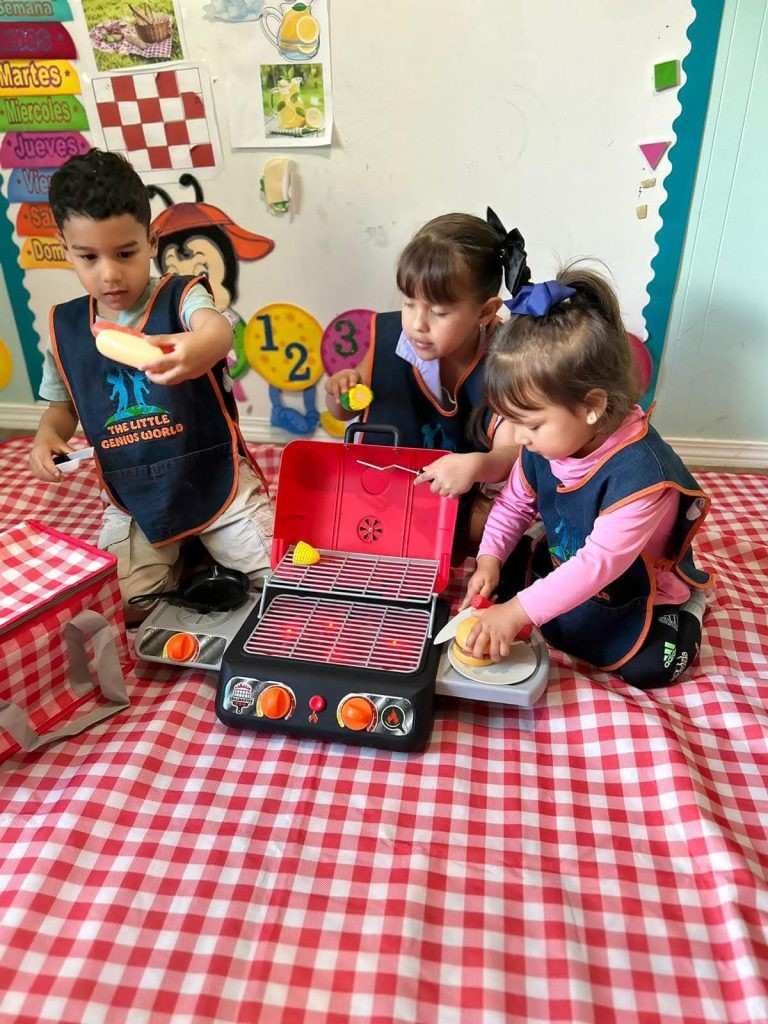
Children hear the immersion language during playtime, meals, songs, stories, and transitions. They pick up meaning from tone, gestures, repetition, and context. This steady exposure helps them understand and respond without feeling like they’re being “taught,” which is one reason many families choose bilingual childcare Tukwila options.
Common Immersion Models
Many programs use either a 50/50 model, where both languages are balanced throughout the day, or an 80/20 model, where one language is used more heavily at first and the second increases over time. Both approaches focus on comfort, routine, and natural communication rather than memorizing lists or drills.
Immersion vs. Language Class
A weekly language class teaches vocabulary in short bursts. Immersion offers consistent, real-life communication woven into the entire day. Instead of learning isolated words, children absorb language through authentic interaction, helping it become part of how they think, respond, and play.
Why Parents Choose Immersion (Real Benefits You Can See)
Parents often choose immersion because the benefits show up in everyday behavior, not just vocabulary lists. While children won’t become instantly fluent, they gain skills that support learning, communication, and confidence for years.
Here are practical outcomes parents notice:
- Communication confidence: Kids become more willing to express ideas and try new words.
- Attention and listening: Immersion encourages children to look for clues, gestures, tone, and context.
- Flexible thinking: Exposure to two languages strengthens problem-solving and adaptability.
- Comfort with different cultures: Children naturally learn respect, curiosity, and openness.
- Stronger memory recall: Repetition through songs, routines, and conversation boosts retention.
You’ll notice these changes in the small moments—when your child starts singing bilingual songs at home, follows directions in either language, or jumps into activities with growing confidence.
Language Immersion Daycare vs. Immersion Preschool
Choosing between language immersion daycare and immersion preschool often comes down to your child’s rhythm and the type of environment where they learn best. Daycare settings usually offer flexible hours and a play-first approach, which means children experience the immersion language during everyday routines, songs, and free play. Preschool programs bring more structure, with planned activities, storytelling, and group learning blocks that provide steady, predictable language exposure throughout the day.
Here’s a simple way to compare:
- Structure: Daycare is play-heavy; preschool follows a guided schedule.
- Consistency: Preschool offers more intentional immersion time.
- Curriculum: Preschool includes early academics and group lessons.
- Who it fits: Daycare suits younger children or those needing full-day care; preschool fits children who are ready for routines and focused learning.
Both pathways support natural language growth in different ways.
What to Look for When Touring a Childcare Center
A tour is the best way to understand how well a program uses immersion. Pay attention to how teachers use language in real time. Look for teachers who speak the immersion language confidently without translating every sentence. Notice whether activities feel engaging and playful rather than forced. Check teacher qualifications, fluency, and training in early childhood development.
Also, ask how progress is communicated. Do teachers share examples, videos, or notes? Do they describe how children respond during songs, centers, or outdoor play? Observing routines—storytelling, music, centers, and transitions—will tell you how immersive the experience really is.
Support for shy or cautious children is important. Ask how teachers gently encourage participation without pressure.
Questions to Ask
- How much of the day is conducted in the immersion language?
- How do teachers support children who are new to the language?
- What training do teachers have in immersion techniques?
- How is progress tracked and shared with families?
- How do you handle mixed-language groups or different ages?
Tukwila-Area Options: How to Start Your Shortlist
Parents in the Tukwila area usually begin by comparing a few different immersion options. Private programs often offer the most consistent language exposure throughout the day, while dual-language public programs blend bilingual learning with a larger school environment. Community programs and daycare Spanish language classes Seattle families choose can also support learning at home or fill in gaps between school days.
Many families explore language classes Tukwila centers for weekend or after-school practice, especially if they want extra exposure. Others look for a Spanish immersion preschool Tukwila option when they prefer a structured, classroom-based approach with planned lessons.
A helpful starting point is to focus on location, schedule, teaching style, and how much of the day is spent in the immersion language. Once you compare those elements, it becomes much easier to narrow your shortlist to programs that fit your child’s needs and your family’s daily routine.
Next Step
Now that you know what a language immersion childcare center offers and what benefits are realistic, you’re ready to tour programs with confidence. You’ll know what to ask, what to watch for, and how to compare immersion daycare and preschool options. If you’re exploring bilingual childcare in Tukwila, reach out to schedule a visit or request more information.
Contact us to start your child’s immersion journey with clarity and confidence.