Parents naturally want the best start for their children. Many people still associate intelligence with reading skills, math ability, or future test scores. Yet childhood development is much broader than academics alone.
Young children learn through movement, play, creativity, relationships, language, and exploration. Every child brings unique strengths that deserve attention and encouragement. A quality early childhood development school helps children discover these strengths while building confidence and curiosity.
Rather than focusing on a single measure of success, the right learning environment supports emotional, social, physical, and cognitive growth. This balanced approach gives children opportunities to develop in ways that reflect who they are and how they naturally learn.
What Is an Early Childhood Development School?
An early childhood development school focuses on the whole child rather than academic performance alone.
During the early years, children build skills that influence how they learn, communicate, and interact with others throughout life. These schools create experiences that support growth across multiple developmental areas.
Children benefit from opportunities that encourage:
- Emotional growth and self-awareness
- Communication and language development
- Positive social interaction
- Creative expression
- Fine and gross motor skills
- Confidence building
- Problem-solving abilities
Many families choose programs that emphasize child-centered learning because they understand that healthy development extends far beyond worksheets and classroom instruction.
Understanding the Theory of Multiple Intelligences
Not every child learns in the same way. Psychologist. One influential framework often used in education is Howard Gardner’s Theory of Multiple Intelligences, he introduced this theory to explain that intelligence exists in many forms. Some children express themselves through words. Others learn best through movement, music, nature, or relationships.
This idea helps parents recognize that success is not limited to academic achievement.
A strong early childhood development school creates opportunities for children to strengthen many abilities at once. Schools that embrace this philosophy often encourage exploration, creativity, and individualized learning experiences.
Understanding multiple intelligences can provide valuable insight into the different ways children learn, communicate, and interact with the world around them.
The 8 Multiple Intelligences Explained
Every child learns differently, and these eight intelligences help explain the unique ways children understand, explore, and engage with the world around them.
Linguistic Intelligence
Linguistic intelligence involves language and communication.
Young children often show this intelligence by:
- Enjoying stories
- Asking questions
- Learning new vocabulary quickly
- Expressing ideas verbally
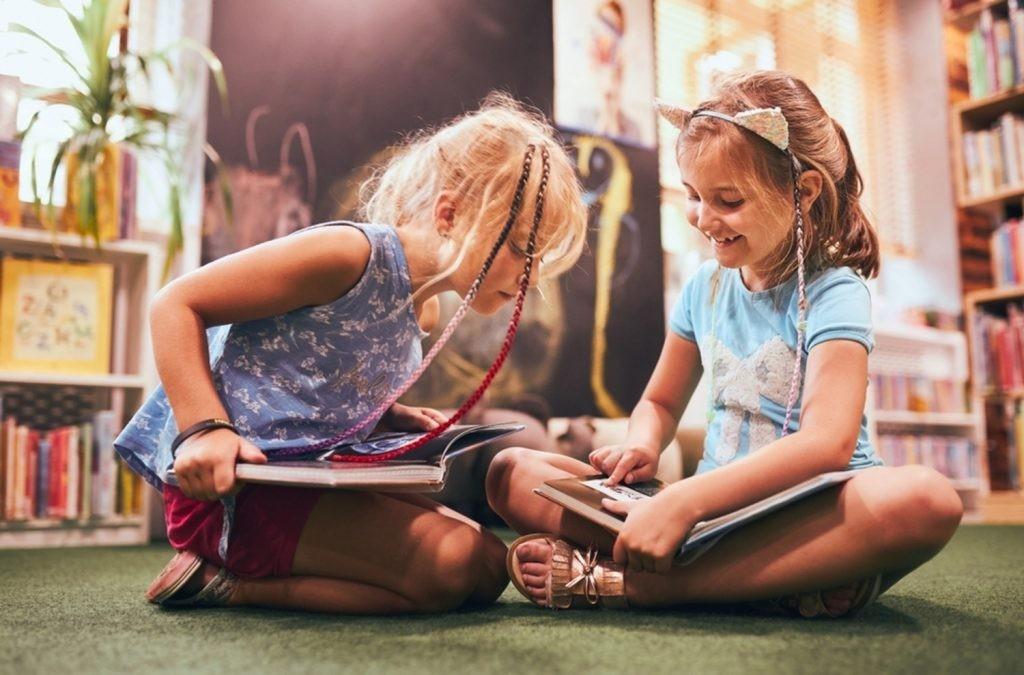
Early childhood educators support this ability through reading activities, storytelling, conversations, and language-rich classroom environments.
Logical-Mathematical Intelligence
This intelligence relates to reasoning, patterns, and problem-solving.
Children may demonstrate it by:
- Sorting objects
- Recognizing patterns
- Asking “why” questions
- Enjoying puzzles
Teachers nurture these skills through hands-on experiments, counting games, and discovery-based learning activities.
Spatial Intelligence
Spatial intelligence involves understanding shapes, images, and visual relationships.
Children often display it through:
- Drawing
- Building structures
- Creating artwork
- Solving visual puzzles
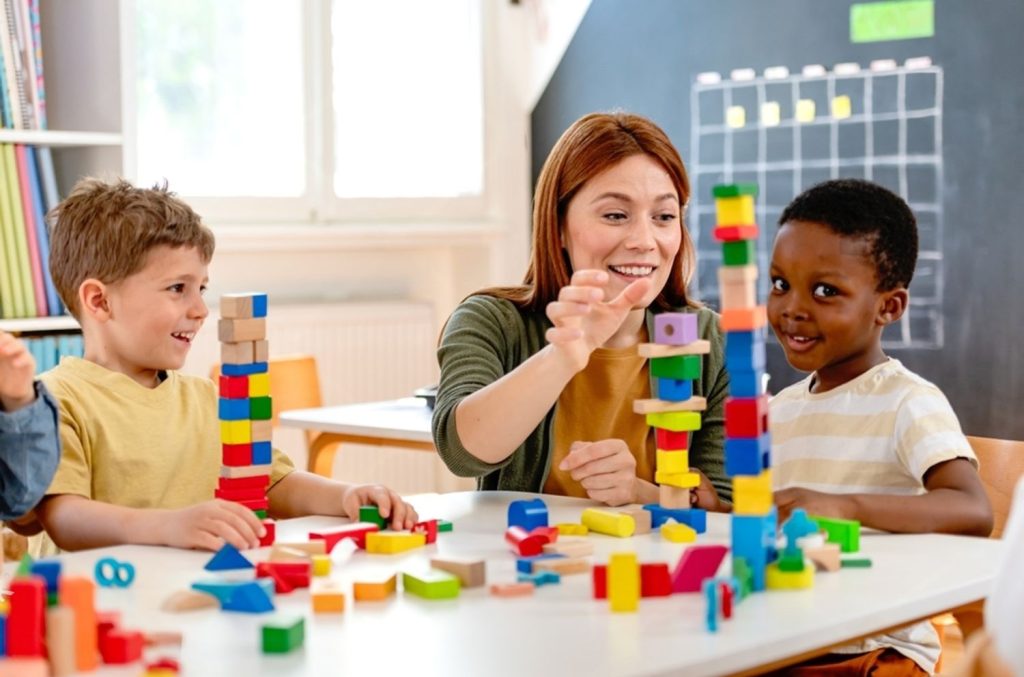
Schools encourage this intelligence with art projects, block play, maps, and creative design activities.
Musical Intelligence
Some children naturally connect with rhythm, sound, and melody.
They may:
- Sing frequently
- Remember songs easily
- Move to rhythms
- Notice different sounds
Music activities, singing, movement exercises, and instrument exploration help strengthen this intelligence.
Bodily-Kinesthetic Intelligence
Children with strong bodily-kinesthetic intelligence learn through movement and physical activity.
You may notice them:
- Climbing and exploring
- Enjoying hands-on activities
- Learning through physical experiences
- Demonstrating strong coordination
A quality early childhood development school incorporates movement, outdoor play, sensory activities, and active learning opportunities.
Interpersonal Intelligence
Interpersonal intelligence focuses on understanding others.
Children may show this by:
- Working well in groups
- Helping peers
- Sharing naturally
- Understanding emotions
Teachers support this intelligence through collaborative play, group projects, and social-emotional learning experiences.
Intrapersonal Intelligence
This intelligence involves self-awareness and understanding personal feelings.
Children often demonstrate it when they:
- Reflect on experiences
- Express emotions clearly
- Show independence
- Understand personal preferences
Supportive educators help children identify emotions, build confidence, and develop healthy self-awareness.
Naturalistic Intelligence
Naturalistic intelligence reflects an interest in nature and the environment.
Children may:
- Love animals
- Observe plants closely
- Collect natural objects
- Enjoy outdoor exploration
Schools nurture this intelligence through outdoor learning, nature walks, gardening projects, and environmental discovery activities.
Why Early Childhood Is the Most Important Stage for Development
The early years represent one of the most significant periods of brain development. During this stage, children build the foundations for future learning, emotional well-being, communication, and social relationships.
Experiences during early childhood influence how children approach challenges and opportunities later in life.
Children thrive when they feel:
- Safe and emotionally secure
- Encouraged to explore
- Supported in communication
- Valued for their unique strengths
A nurturing early childhood development school creates an environment where curiosity grows naturally. Children become more willing to try new things, ask questions, and build confidence in their abilities.
How Immersion Learning Supports Cognitive Development
Language exposure plays a valuable role in early development. An immersion early childhood school allows children to experience language in natural, meaningful ways throughout the day.
Rather than memorizing vocabulary lists, children learn through conversations, activities, songs, and everyday interactions.
Research continues to show that bilingual environments can support:
- Communication skills
- Cognitive flexibility
- Adaptability
- Problem-solving abilities
- Cultural awareness
Many parents exploring language immersion schools Seattle appreciate the long-term developmental advantages these programs provide. A high-quality immersion early childhood school helps children build confidence while expanding their understanding of language and culture.
Like many effective early childhood programs, immersion-based environments encourage communication, curiosity, and cognitive growth through everyday experiences.
Families searching for a Seattle childhood development school often find that these programs support both academic and personal development in meaningful ways.
What Parents Should Look for in an Early Childhood Development School
Choosing a school can feel overwhelming. Instead of focusing only on academics, consider whether the environment supports the whole child.
Look for:
Nurturing Teachers
Children learn best when they feel safe, respected, and supported.
Play-Based Learning
Play helps children develop creativity, communication, and problem-solving skills.
Emotional Support
Strong programs teach emotional awareness and healthy social interactions.
Language Exposure
Language-rich environments encourage communication and cognitive growth.
Safe Learning Spaces
Children need environments that support exploration while maintaining safety.
Individualized Learning
Every child develops differently. Great schools recognize and support those differences.
Helping Children Discover Their Strengths
Every child learns in a unique way. Some children express themselves through language, while others shine through movement, creativity, relationships, music, or exploration. A quality early childhood development school creates opportunities for children to discover these strengths naturally while building confidence and curiosity.
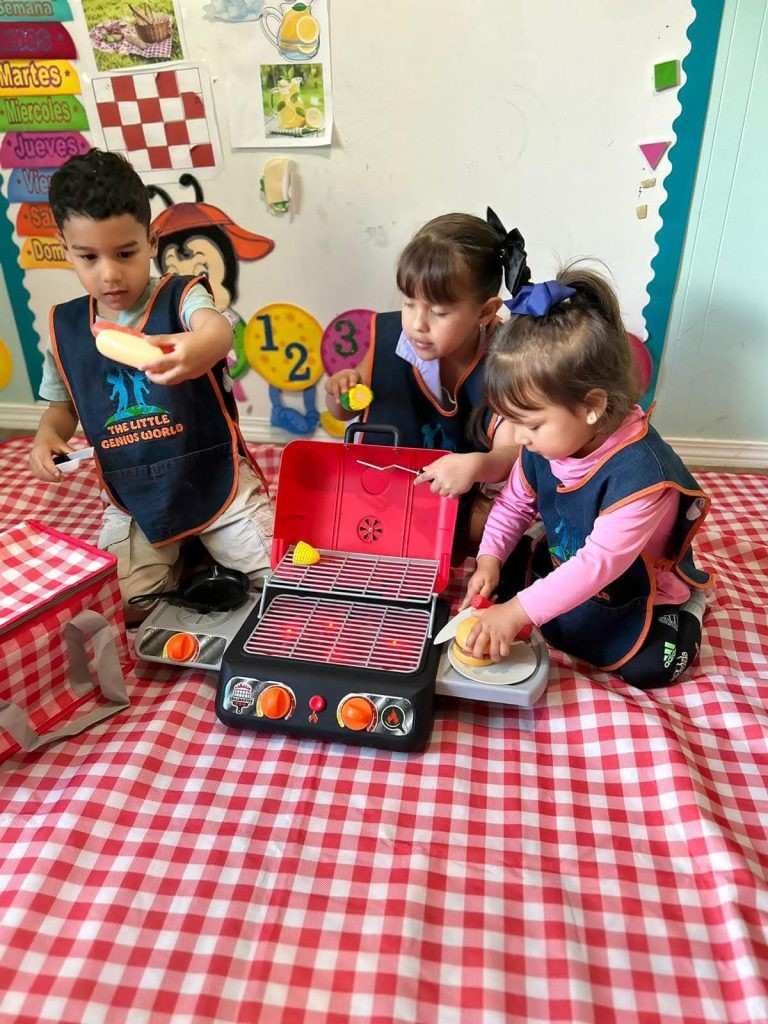
If you would like to learn more about how we supports whole-child development, contact us or schedule a visit At Little Genius World, where children have opportunities to develop language, creativity, social skills, confidence, and curiosity through immersive, play-based learning experiences. Schedule a tour to see how our classrooms support whole-child development every day.